Skin tags are one of the most common benign skin growths, especially among adults. While they are harmless, their sudden appearance can cause confusion, curiosity, or even concern. Understanding where they typically grow and why those areas are so prone to developing them can help you recognize them early and decide whether you need medical attention.
What Are Skin Tags?
Skin tags, medically known as acrochordons, are small, soft, flesh-colored growths that hang off the skin. They are noncancerous and usually painless. Most people notice them for the first time when they rub against clothing or jewelry, or when they suddenly catch on a necklace or razor. Though tiny, they can cause irritation depending on their location.
1. Neck and Under the Chin
One of the most common places for skin tags is around the neck. This area experiences constant friction from clothing, hair, jewelry, and even everyday movement. Over time, this repeated rubbing causes the skin to fold and crease, making it more likely for skin tags to form.
Additionally, people who wear tight collars, necklaces, or scarves may experience more irritation, which can increase the likelihood of developing skin tags in this region.
2. Underarms (Armpits)
The underarms are another high-risk area because they are warm, moist, and experience frequent skin-to-skin friction. Every time you move your arms, the skin folds rub against each other. This friction stimulates the skin cells to grow excessively, leading to skin tags.
Shaving the underarms can also contribute, especially if the skin becomes irritated from dull razors or harsh products. People who are overweight or have excess skin in this area tend to develop more tags.
3. Groin and Inner Thighs

The groin, inner thighs, and area around the underwear line are hotspots for skin tags. These regions are full of natural skin folds, and clothing—especially tight underwear or pants—creates added rubbing.
Sweating in these zones can further irritate the skin, increasing the chance of tag formation. Athletes, people who walk or run frequently, and individuals with larger body frames often develop skin tags in these spots because of constant friction.
4. Eyelids
Skin tags on the eyelids can be surprising, but they’re very common. The skin here is thin and delicate, making it more prone to developing small folds. Frequent blinking and touching the eyes—such as putting on makeup or removing contact lenses—also contribute to irritation.
Eyelid skin tags are harmless but may affect appearance or interfere with vision if they grow large. Because the eye area is sensitive, removal should always be done by a professional.
5. Under the Breasts
For women, the area beneath the breasts is another place where skin tags often appear. This area experiences warm, moist conditions and constant friction between skin and clothing. Ill-fitting bras worsen the problem by increasing rubbing and pressure along the lower breast crease.
People with larger breasts or those who sweat heavily may notice skin tags forming here more often.
Why Do These Areas Form Skin Tags More Easily?
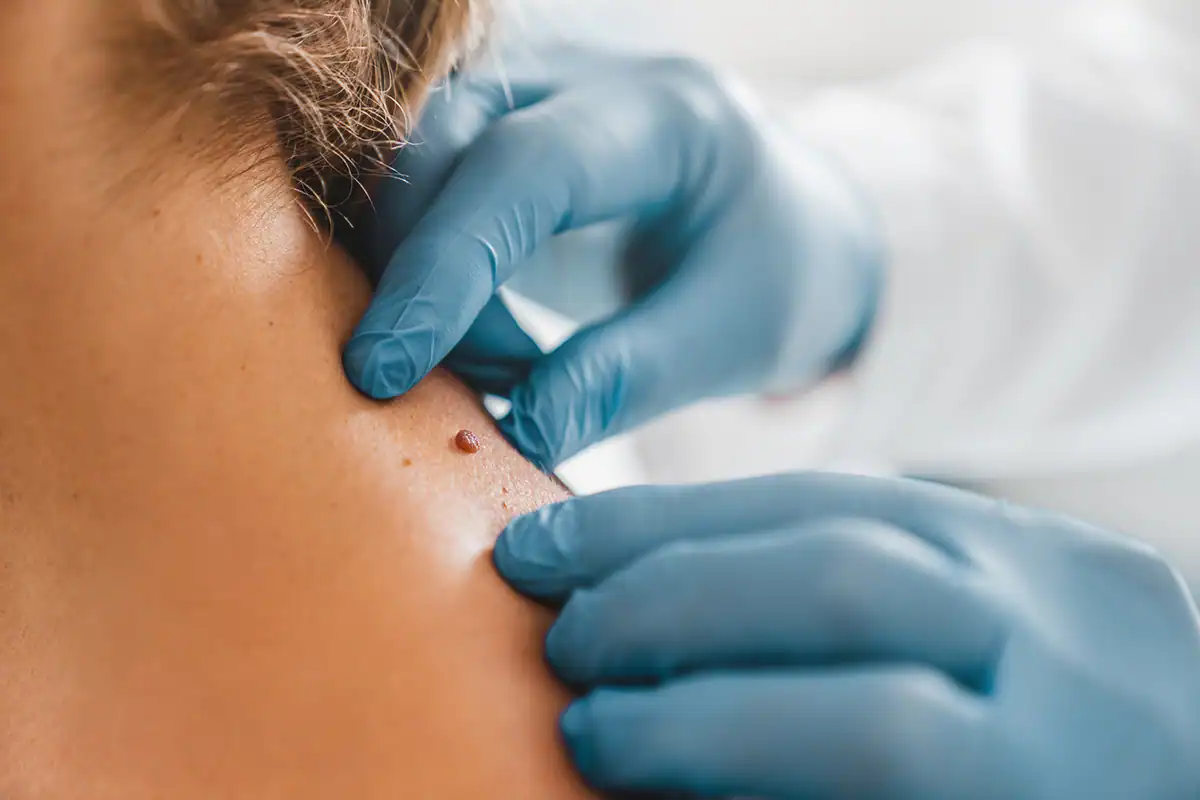
All the most common spots share the same characteristics:
✔ Friction
Skin rubbing against skin—or against fabrics—triggers overproduction of skin cells.
✔ Moisture and Heat
Warm, humid environments encourage irritation and inflammation.
✔ Skin Folds
Tags often form in folds where micro-irritations happen daily.
✔ Insulin Resistance
People with diabetes or metabolic syndrome have a higher risk due to hormonal changes that affect skin growth.
✔ Aging
Skin tags become more common with age, especially after 40.
When Should You See a Doctor?
Although skin tags are harmless, you should consult a professional if:
- A tag bleeds, becomes painful, or changes color
- It gets caught on clothing or jewelry
- It grows rapidly
- It appears in unusual places
Understanding where skin tags form—and why—helps you recognize them early and prevents unnecessary worry. While they’re usually nothing to fear, knowing the signs and triggers empowers you to take better care of your skin.